Sleep and Body Recovery
The Science of Rest and Restoration
Sleep Architecture
Sleep consists of distinct stages that cycle throughout the night. Each sleep stage serves specific physiological functions and involves different brain wave patterns, eye movements, and muscle activity.
Non-rapid eye movement (NREM) sleep includes three stages progressing from light sleep to deep sleep. Rapid eye movement (REM) sleep involves vivid dreams and specific cognitive and emotional processing functions.
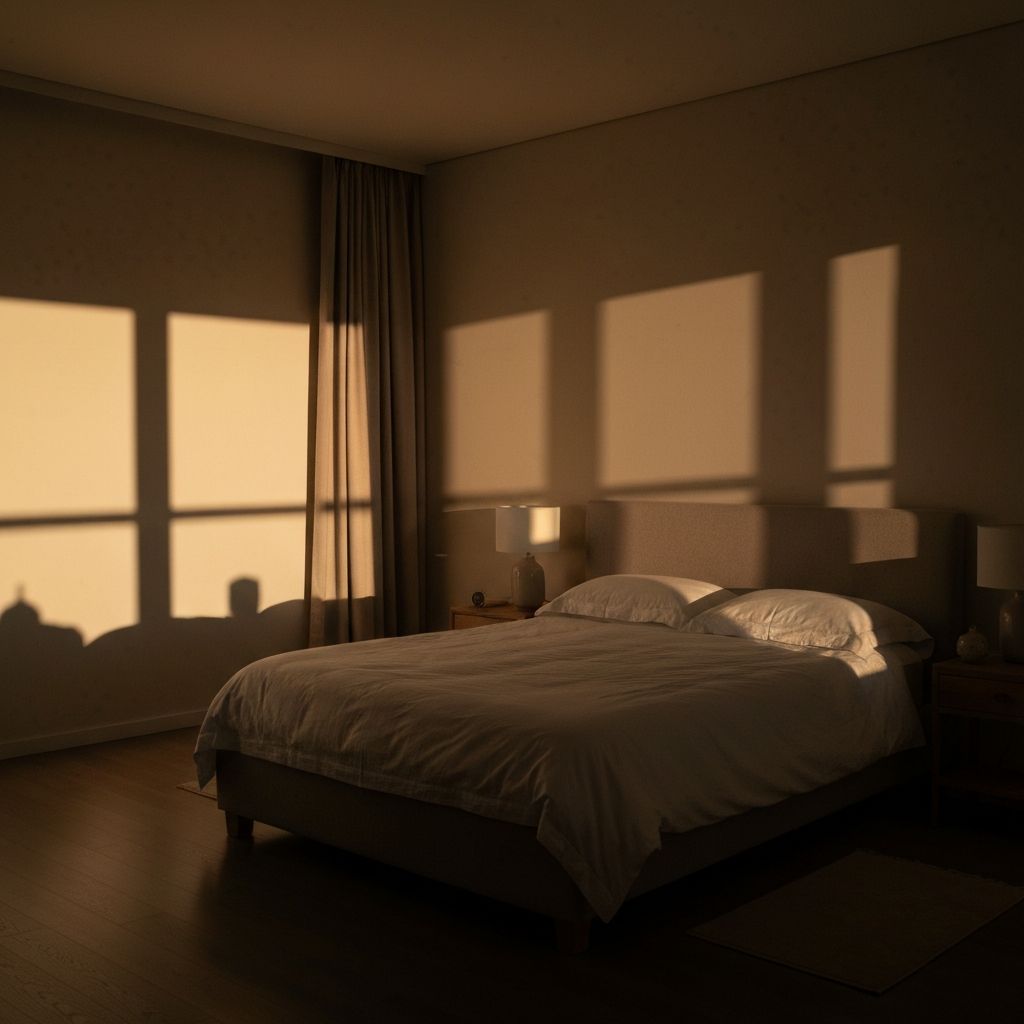
Physiological Functions of Sleep
During sleep, numerous essential processes occur:
- Physical Restoration: Muscle protein synthesis increases, tissue repair accelerates, and metabolic processes are redirected toward restoration.
- Memory Consolidation: The brain processes and consolidates information from the day, transferring memories from short-term to long-term storage.
- Hormonal Regulation: Growth hormone secretion increases during deep sleep; cortisol levels decrease; glucose regulation improves.
- Immune Function: Immune cell production and activation increase during sleep, supporting immune surveillance and response.
- Metabolic Processes: Sleep influences hunger hormones (ghrelin and leptin), affecting appetite regulation and energy balance.
- Neurological Health: The brain's glymphatic system actively clears metabolic waste during sleep.
Sleep Duration and Needs
Sleep requirements vary across individuals and life stages. While research suggests ranges, individual needs differ based on genetics, activity level, age, and health status. Sleep quality matters alongside duration; fragmented or poor-quality sleep provides fewer benefits than consolidated sleep.
Factors Affecting Sleep
- Circadian rhythm (biological clock)
- Light exposure patterns
- Physical activity and exercise timing
- Dietary choices and caffeine intake
- Stress levels and emotional state
- Environmental factors (temperature, noise, comfort)
- Age and life circumstances
- Health conditions and medications
Information Context
This article explains sleep science and recovery processes. Individual sleep needs and sleep optimization should be determined through personal observation and, if sleep issues persist, with appropriate professional guidance.